Author: Carrie Domenic
The complexity of sterile pharmaceutical manufacturing requires going beyond production capabilities — it takes dynamic partnerships. Some of the most valuable partnerships for biotechnology and pharmaceutical companies are with their Contract Development and Manufacturing Organizations (CDMOs), which often involve optimizing processes from early-stage development and through continuous improvement to commercial production. These relationships can offer access to additional expertise and resources that can minimize time to market and reduce overall production costs, which is why choosing the right manufacturing partner is critical. Quality Management Systems and Manufacturing capabilities typically take center stage as part of the development of a CDMO partnership evaluation, and other aspects of commercialization are sometimes overlooked when developing a new relationship. Part of ensuring a successful CDMO partnership requires stakeholders who acknowledge that laboratory capabilities drive client success rather than just supporting it.
Starting From The Foundation: Understanding Your CDMO’s Laboratory Capabilities
When evaluating potential CDMO partners, a key first step is to assess their manufacturing capabilities and certifications. Lab capabilities can make or break a drug’s success based on timeline and meeting regulatory requirements. Too often, drug manufacturers have discovered late in the process that their CDMO’s limited analytical capabilities create delays in method validation and testing timelines. An advanced analytical lab isn’t a bonus it’s crucial for forming a partnership that stays ahead of regulatory requirements and focuses on transparency.
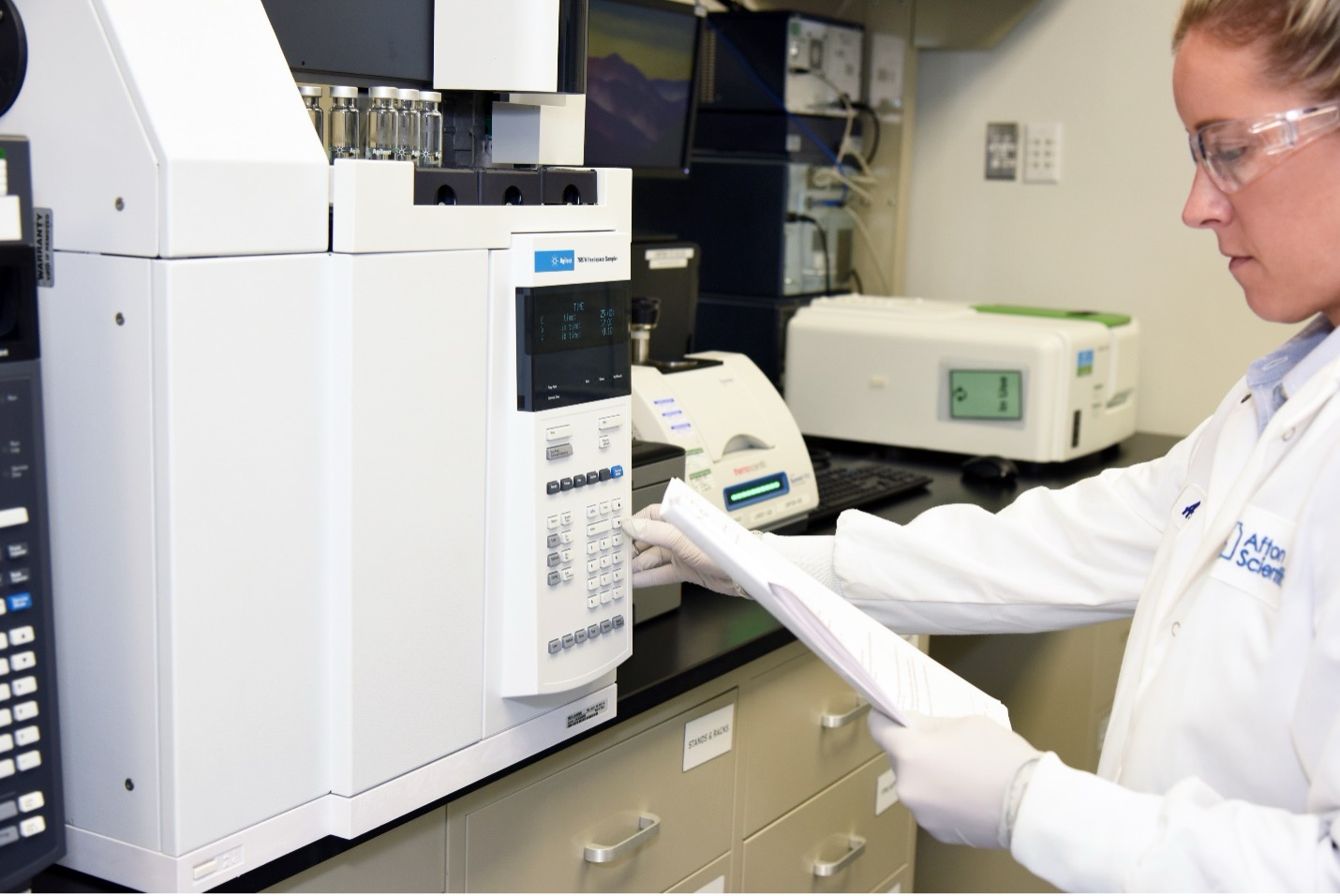
At Afton Scientific, our approach to laboratory capabilities reflects more than two decades of purposeful expansion in sterile injectable manufacturing. We base our infrastructure growth on the principle of investing in new capabilities that best support our clients’ rapidly evolving needs. This goal has guided Afton’s growth from basic testing services to a robust manufacturing facility equipped with state-of-the-art Water High-Performance Liquid Chromatography (HPLC) and Ultra-Performance Liquid Chromatography (UPLC) systems, as well as acquiring specialized tools, such as FTIR microscopy for rapid particle investigation.
However, the most beneficial partnerships go beyond equipment. Reliable CDMOs are distinguished by their ability to balance staying ahead of regulations while also focusing on efficiency. For example, our recent implementation of a digital laboratory information system allows Afton to digitize data for internal efficiency while maintaining unprecedented transparency for clients. This addition, alongside our ongoing 5,000 sq ft. laboratory expansion, reflects our understanding that in a rapidly changing pharmaceutical landscape, an effective CDMO partner must maintain flexibility as client needs continue to evolve.
Model for Partnership: Testing to Market Release
An effective engagement process begins long before the first batch is manufactured. When a client approaches Afton with a manufacturing need, we follow a consistent process: we listen, respond, and evolve. The first step in a dynamic partnership isn’t to just propose a standard solution; it’s to examine preexisting preferred testing methods to build upon or offer early-stage comprehensive guidance. Rather than relying on a few standard methods, we work closely with pharmaceutical companies to understand their drug’s formulation, excipients, and regulatory requirements before collaborating with them to create a robust testing and manufacturing strategy that supports each unique stage of development.
This collaborative approach proves valuable in meeting current guidelines from the International Council for Harmonisation of Technical Requirements for Pharmaceuticals for Human Use (ICH) — one of the most common industry challenges. Many drugs rely on outdated analytical models that no longer meet regulations, and the consequences for quality control errors can be severe. In the United States, many drug approval applications have experienced delays in Food and Drug Administration (FDA) approval due to issues with third-party partners, such as missing safety data or errors in reporting manufacturing procedures. Afton’s extensive experience with chromatography and safety analysis, however, allows us to successfully guide clients through method revalidation and conduct studies that can validate improvements while maintaining regulatory compliance.
Central to Afton’s partnership model is an ongoing commitment to transparency. Direct communication between clients and the Quality Control (QC) team can guarantee immediate response to and troubleshooting needs or opportunities for optimization. This open communication distinguishes a vendor relationship from a true partnership, where clients are provided with complete access, from process validation, through commercial production and shipping.
Full-Spectrum Support: How Interconnected Teams Accelerate Timelines
Exceptional CDMO relationships also rely upon seamless integration throughout the manufacturing and testing processes. At Afton, our QC department connects each part of a product’s journey. Rather than each department working in isolation, the QC department connects with the entire team to confirm that each component meets specifications before production, collaborates on validation testing, and provides training for the finished product inspection program ensuring teams closely follow complex inspection protocols.
This close collaboration is critical in sterile injectable manufacturing due to the intricate monitoring protocols for environment and personnel that protect products from contamination. The best CDMOs will have QC managers who maintain consistent communication with their departments, allowing them to share information effectively between departments and troubleshoot problems should they arise.
To truly integrate these interconnected teams, effective CDMOs leverage technology that enables real-time collaboration and seamless data sharing. Afton’s new LIMS transforms lab operations through enhanced efficiency, security, and traceability, all of which benefit client partnerships. This streamlines data collection and analysis, creating detailed documentation at each step of the manufacturing and analytical processes, which provides transparency for clients throughout. An effective CDMO partner can utilize this technology to quickly retrieve historical data and share comprehensive reports, thereby accelerating project timelines through efficient internal and external information sharing.
Choosing Wisely: How Your CDMO Shapes Success
The pharmaceutical industry’s ever-increasing demands make CDMO partnerships that go beyond basic manufacturing capabilities not just helpful, but a requirement for success. To achieve this, clients should choose CDMO partners that acknowledge laboratory integration as the foundation for compliance, safety, and efficiency. While any CDMO will promise quality and transparency, clients should look to partners who embody these values through experienced teams, integrated systems, and proven track records in transforming compliance into business advantages. At Afton Scientific, our commitment to transparent communication and proactive quality systems exemplifies our understanding that laboratory partners should function as an extension of a client’s team.